Baremetrics Recover: dunning software for failed subscription payments
Baremetrics Recover is dunning software for subscription businesses. When a payment fails, your processor (for example Stripe Smart Retries) retries the charge, and Recover handles the customer communication: timed emails (7 by default), SMS, in-app banners and paywalls, and a hosted card-update form.
Around 9% of MRR is at risk from expired credit cards, insufficient funds and bank issues for the average SaaS and subscription business. How much is that costing you every month?
Every SaaS & subscription business needs a dunning solution.
And hundreds of them are using Recover to put dunning on autopilot in less than a day.
Our most notable customers that are using Recover
Baremetrics Recover
Stop losing customers to failed payments
Recover automates the follow-up when a charge fails: customizable email + SMS sequences, in-app reminders and paywalls, card-expiry reminders, and a branded card-update form customers can complete in seconds. No custom code required.
Recover works alongside your payment processor. Your processor retries the card; Recover handles the conversation with your customer. Here is the sequence after a charge fails:
Your processor retries the payment. Retries are handled by your payment processor, for example Stripe Smart Retries. Recover has no retry schedule of its own.
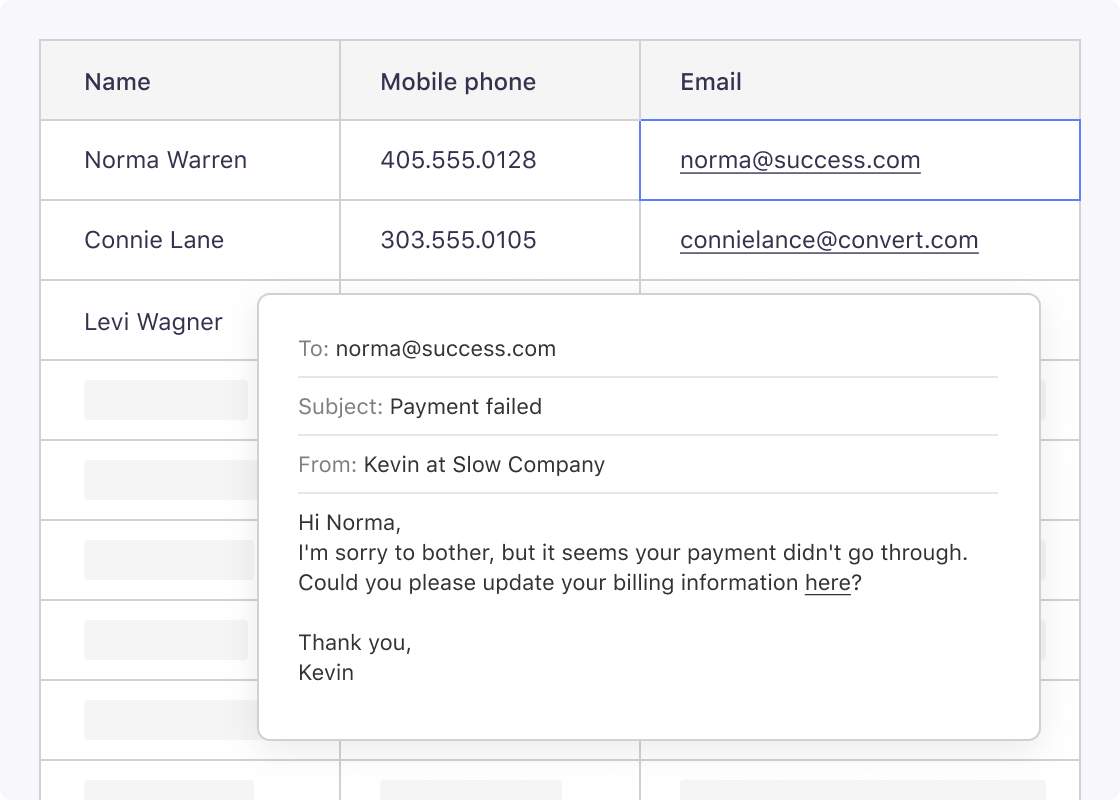
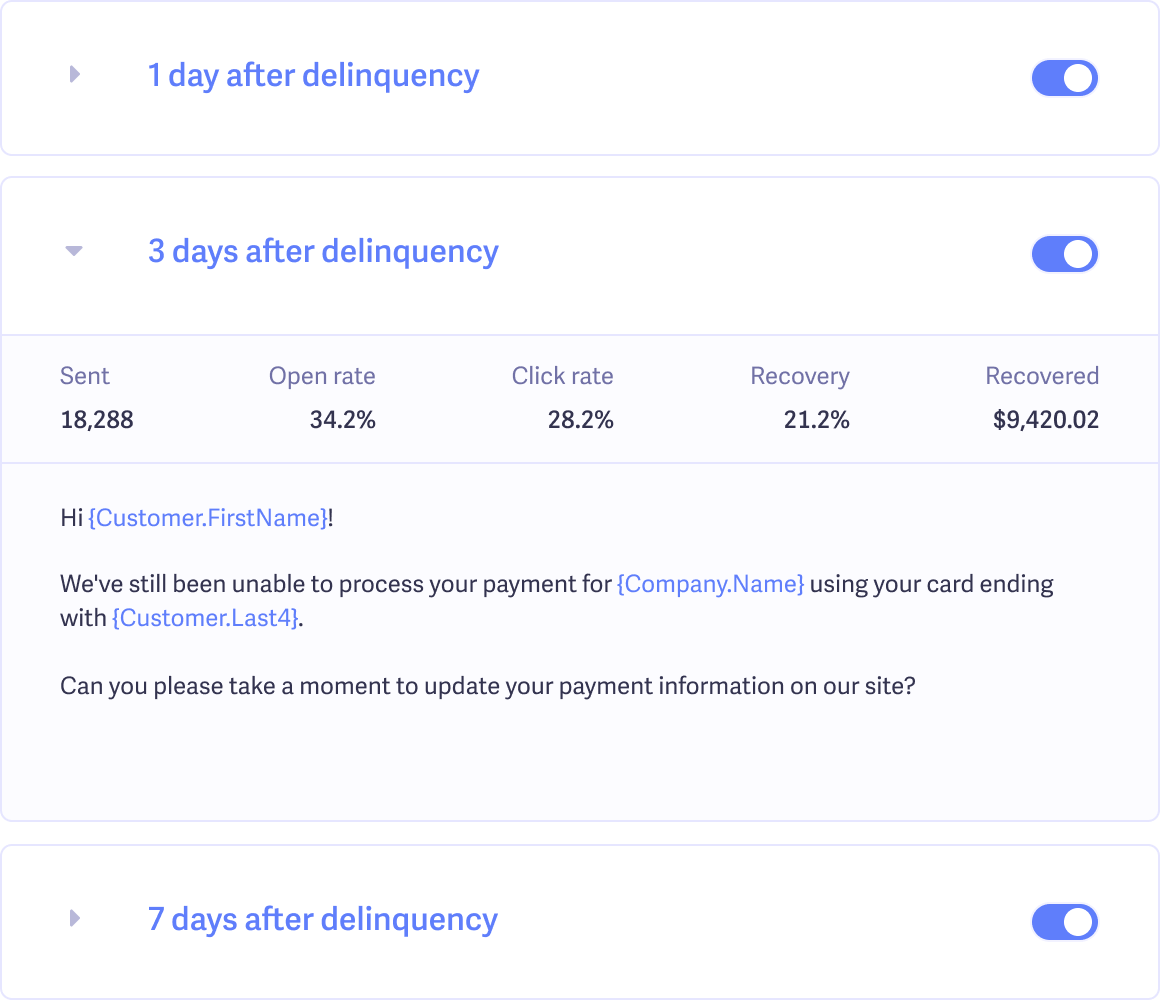
Recover emails the customer on a timed schedule. The sequence has 7 emails by default, in your branding and sent from anyone on your team. You choose which emails are active and write the copy.
Recover adds SMS. Text messages can run alongside the emails to reach customers who miss them.
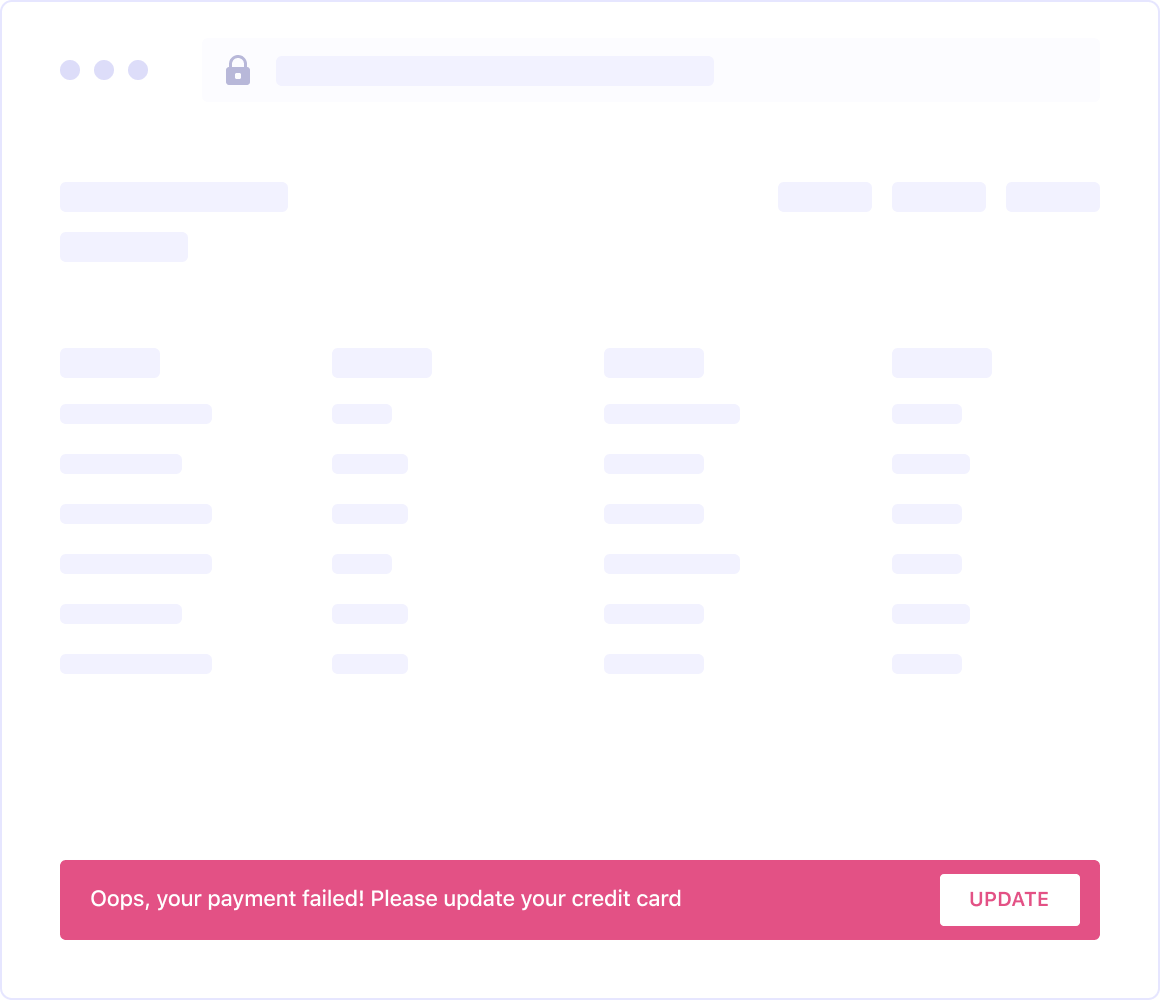
In-app banners, then a paywall. With a JavaScript snippet in your product, delinquent customers see a banner when they log in. After the grace period you choose, it becomes a paywall until the payment method is updated.
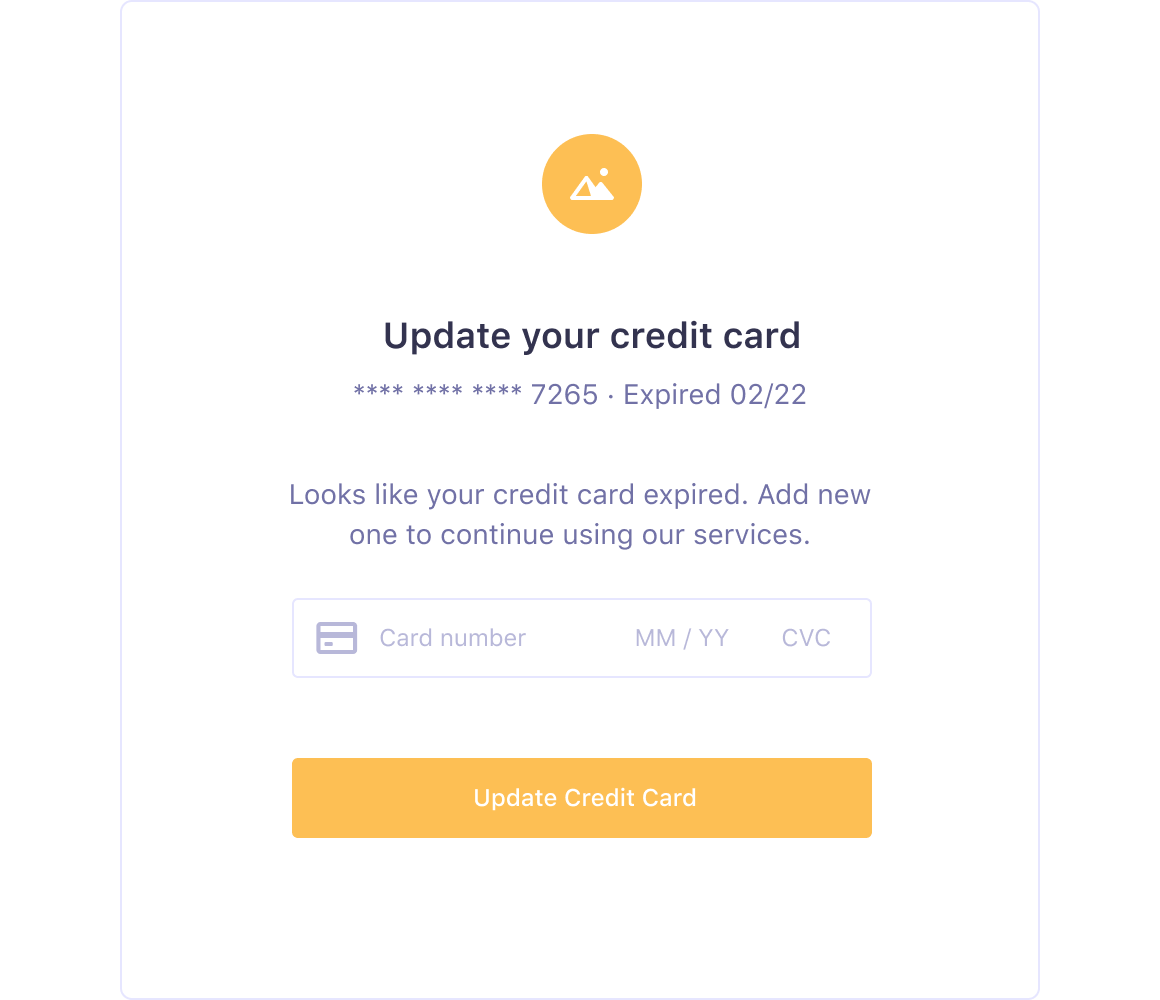
The customer updates their card on a hosted form. Every message links to a distraction-free card-update form, hosted under a Baremetrics subdomain or on your own domain. On Stripe, Braintree and Recurly the new card is saved straight to the customer's subscription.
Whether the open invoice is charged as soon as the card is updated depends on your processor's settings (for example in Stripe), not on Recover. Recover attributes each recovery to the email or banner the customer interacted with, so you can see what is working.
“Recover helped us reduce our churn and save over $10k+ in less than 3 months.”
Tushar Mahajan, CEO at Statusbrew
Honestly, is this the way to fix your failed payments?
Recover provides a combination of tools to help you combat failed payments with customizable email + SMS campaigns, in-app reminders and paywalls, credit card capture forms, and in-depth analytics to track everything along the way.
Payment processors like Stripe send a limited number of email notifications, not optimized for actually getting customers to take action.
× Too few emails, leaving money on the table
× Not clear what to do or where to go
× Doesn't account for in-app experiences
Are you going to manually chase down every customer?
× Waste of valuable time & money
× Not timely
× Not scalable
How do you set up Recover? In four steps.
Recover provides a combination of tools to help you combat failed payments with customizable email + SMS campaigns, in-app reminders and paywalls, credit card capture forms, and in-depth analytics to track everything along the way.
Step 1
Enable Recover in your Baremetrics dashboard
Integrations with your payment processor will already be set up with your core Baremetrics account. Simply click to enable the Recover add-on to start reducing churn and recovering revenue.
Step 2
Setup automated drip campaigns
10+ turnkey and customizable email + SMS sequences are pre-loaded and ready to start sending. Reach out to your customers when it's most important with communication from any one of your team members.
Step 3
Format in-app reminders and paywalls
Want to send customers an in-app message when their card is failing? Just copy and paste our JavaScript code snippet and we'll take care of the rest. Choose how many days you want users to have access before enabling the paywall to force a payment method update.
Step 4
Customize the credit card capture form
No need to code a custom solution when you can use those resources elsewhere. Send customers to a distraction-free form optimized to convert where they can update their billing details. Get set up in minutes under a Baremetrics subdomain or host on your own domain with all your own branding.
ANALYTICS
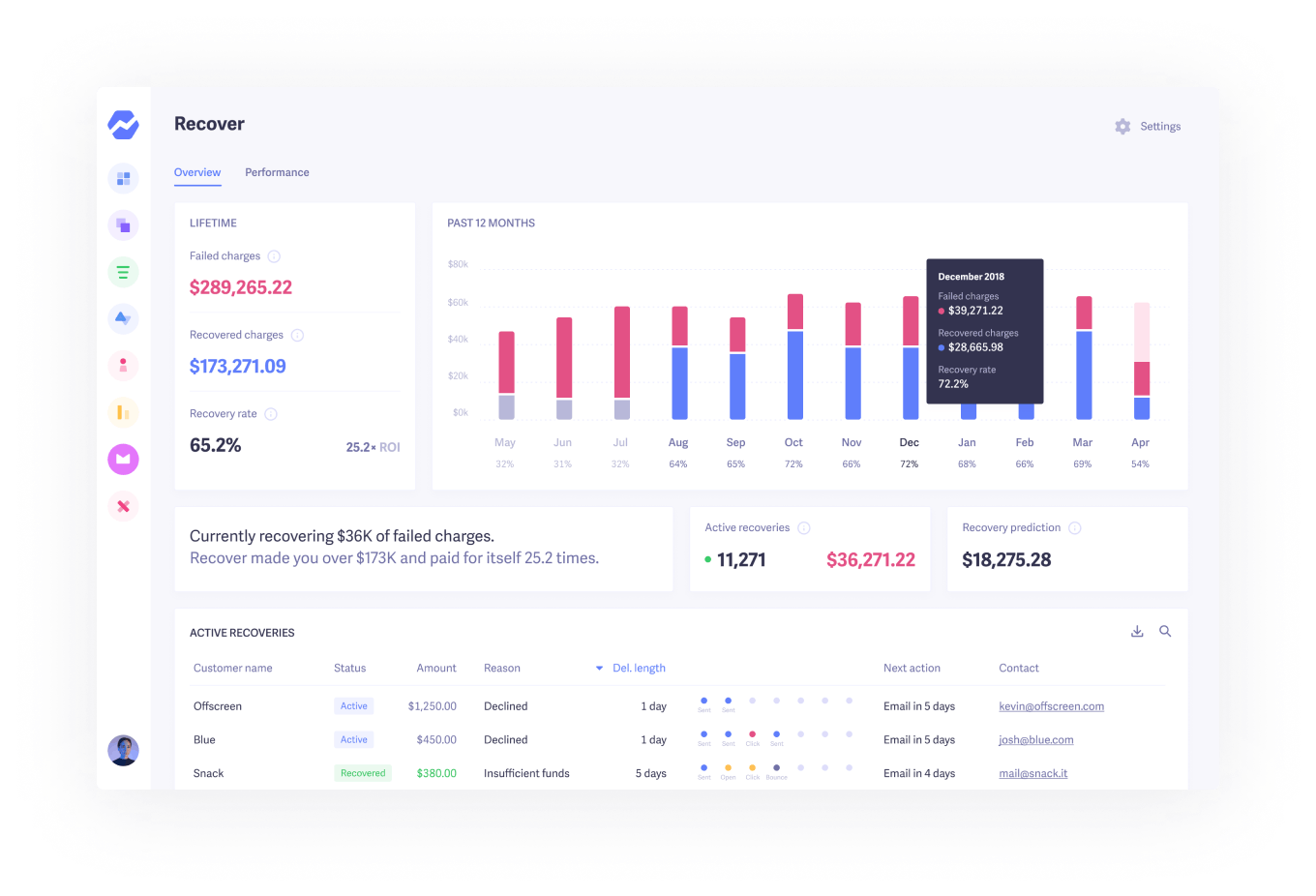
How do you see what Recover recovered?
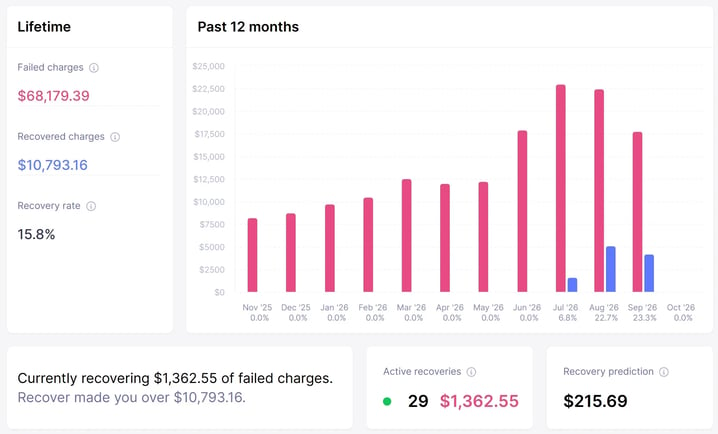
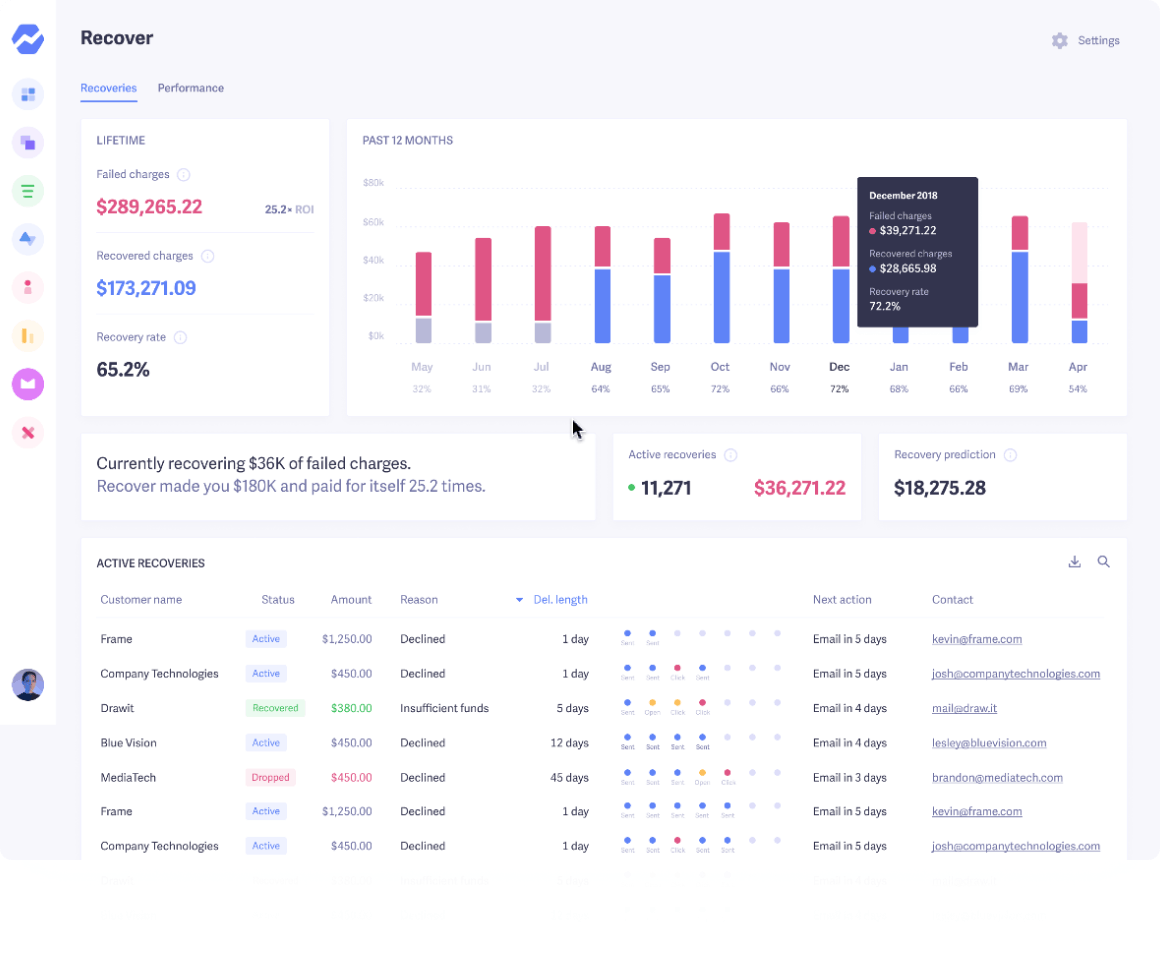
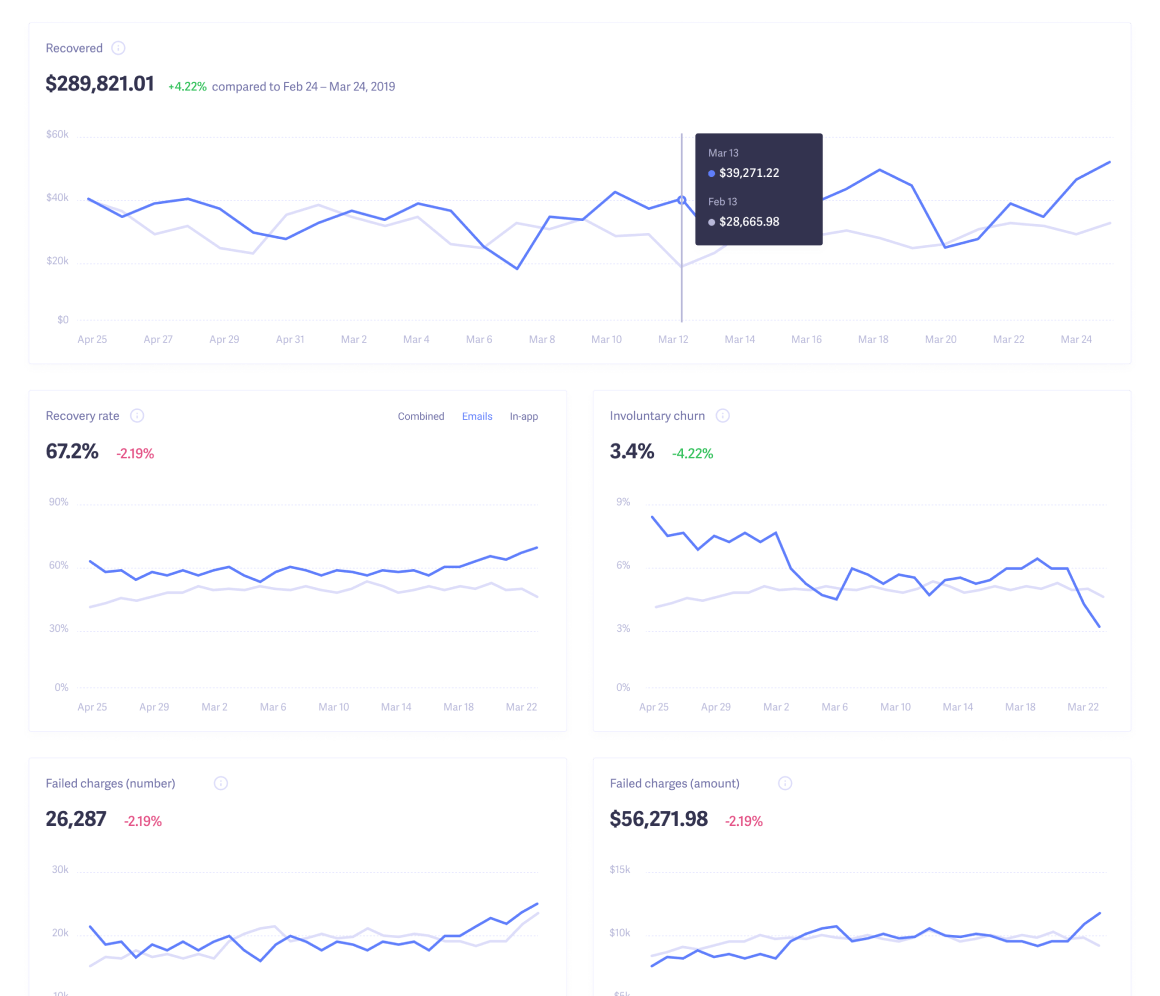
Here’s what you can track with our analytics that you can’t track manually or by using any other software.
It's a no-brainer. Get back thousands of dollars in lost revenue with a one-time setup.
ROI Guarantee
Is there a Recover ROI guarantee?
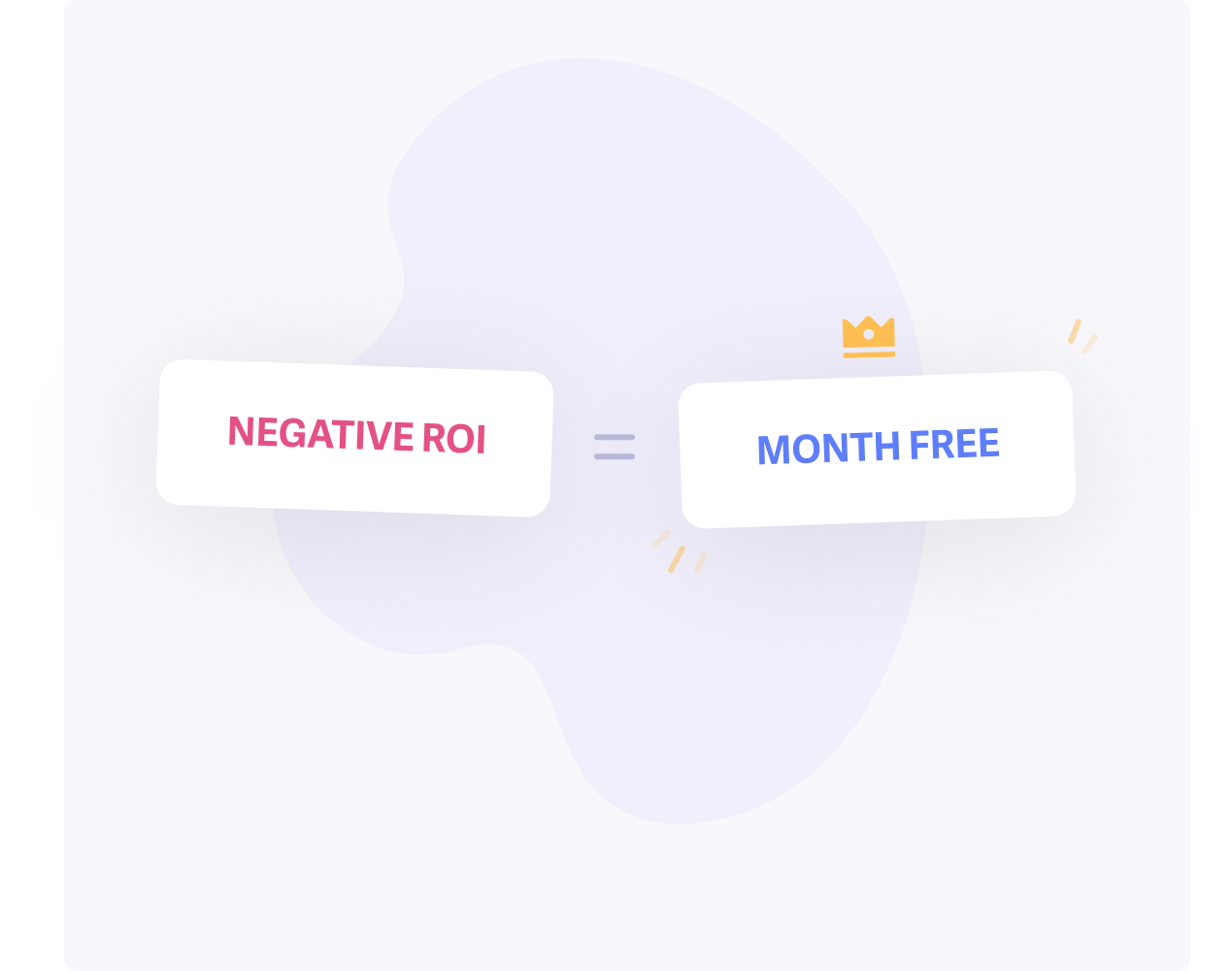
Yes. On the flat-priced Recover add-on, Baremetrics guarantees it: “Recover more than your Baremetrics cost or your next month is free.” See current plans and add-on prices on the pricing page.
We’re so confident that you’ll love using Recover and the positive ROI it’ll have for your company that we’ll let you try Recover completely for free, no strings attached, for 14 days.
Dunning software automates the follow-up when a subscription payment fails. Your payment processor retries the charge (for example with Stripe Smart Retries); dunning software handles the customer side with reminder emails and SMS, in-app banners and paywalls, and a page where the customer can update their card. Baremetrics Recover is dunning software for SaaS, subscription DTC and membership businesses.
No. Retries are handled by your payment processor, for example Stripe Smart Retries, and Recover has no retry schedule of its own. Recover handles the customer communication around those retries: timed emails (7 by default), SMS, in-app banners and paywalls, and a hosted card-update form. If a customer updates their card and your processor is set to charge the open invoice automatically, the processor makes that charge, not Recover.
Start with what your processor already does: Stripe, for example, retries failed charges with Smart Retries. A dunning tool adds what retries can't, which is reaching the customer when their card has expired or been replaced. Look for timed, branded emails, SMS, in-app reminders and paywalls, a hosted card-update form and reporting on what was recovered. Recover covers all of these inside Baremetrics, next to your subscription metrics. For a side-by-side of popular options, see our guide to the best dunning software.
Use three layers. First, let your processor retry the charge (for example Stripe Smart Retries). Second, contact the customer on a schedule: Recover sends timed emails, SMS and in-app banners that turn into a paywall after a grace period you choose. Third, make updating the card easy, because every message links to a hosted card-update form. You can also exclude segments such as VIP, enterprise or manually billed accounts from the automated flow.
Measure it first. Baremetrics data shows the average subscription business has around 9% of MRR at risk from failed payments. Recover's dashboard tracks failed charges and recovered revenue, and attributes each recovery to the email or banner the customer interacted with. It reports attempted recovery rate (recovered ÷ recovery attempts), so failures it never tried to recover don't distort the number. Card expiration reminders cut leakage before a charge fails at all.
Turn on Smart Retries in Stripe so declined charges are retried automatically. Then add Recover: it detects failed charges in Stripe, sends your dunning emails and SMS, shows in-app banners and a paywall, and links customers to a branded card-update form that saves the new card to Stripe. Recover also sends two card expiration reminders (30 and 7 days before expiry), so fewer cards fail in the first place.
Stripe's smart retries automatically re-attempt a failed charge at different times, but they do nothing to prompt the customer to update an expired or canceled card. Recover adds personalized, human-feeling outreach on top of those retries:
Branded emails in your team's voice
A frictionless card-update widget customers can complete in seconds
In-app banners and paywalls that create urgency at the right moment
Proactive expiration reminders before a card fails, not just after
Both run at the same time: Stripe retries the charge and Recover talks to the customer. Recover attributes recoveries to any customer interaction with its emails or banners, so you have clear visibility into what your investment is actually returning.
Each email contains a billing link that opens a branded payment widget, not a generic Stripe page. You add your own logo, colors and copy so it matches your product. The customer types in their new card details, hits save, and Recover writes it back directly to Stripe (or Braintree). No manual work for your team.
You can also embed the same widget in-app as a banner that surfaces automatically when a customer logs in while delinquent. After a configurable grace period, the banner becomes a paywall, blocking access until the card is updated.
Recover detects the moment a charge fails in Stripe (or Braintree) and starts a sequence of 7 fully customizable emails by default. You choose which ones are active, write the copy in your own voice, and set the sender to anyone on your team, so emails look like they come from your company, not a payment processor.
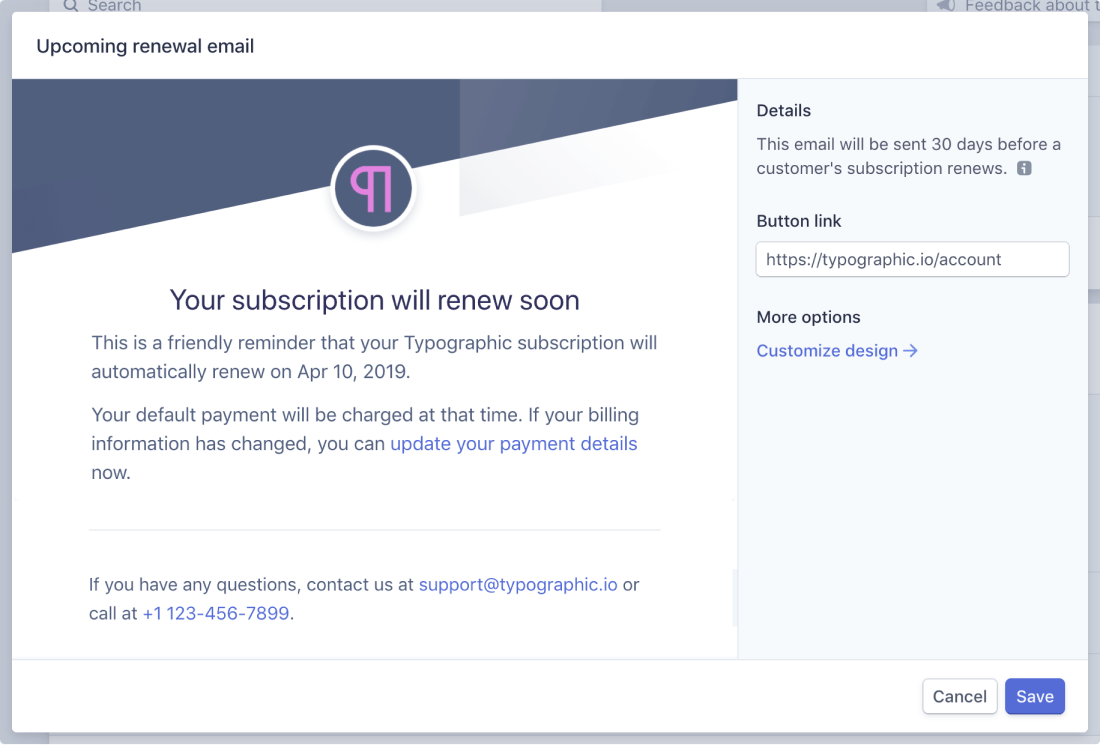
In addition to the delinquency sequence, Recover sends two card expiration reminders (30 and 7 days before expiry) and two annual renewal reminders, catching involuntary churn before it happens. SMS messages can also be blended with emails for higher reach.
Recover works with Stripe, Braintree and Recurly, and with Chargebee where customer email addresses are collected. The two-way card write-back, where a card updated in the Recover form is saved straight to the customer's subscription, is available on Stripe, Braintree and Recurly. For revenue processed through other gateways, the email and in-app messaging still work.
Yes. Every email and SMS in the Recover sequence is customisable: subject lines, body copy, sender identity, send timing and branding. Emails can come from anyone on your team, so they read like a message from your company rather than from a payment processor.
Most failed subscription payments fall into four categories: expired or reissued cards, insufficient funds and soft declines, hard declines (cancelled, lost or stolen cards), and geographic or fraud-mismatch holds. Each category needs a different recovery approach. See our guide on why subscription payments fail for the full breakdown.
Most teams have Recover running within minutes. If you already use Baremetrics for analytics, enabling Recover is a one-click addition from your dashboard. New customers can connect their payment processor, configure the default email sequence, and start recovering revenue the same day.
Recover is an add-on to a Baremetrics plan. See current plans and add-on prices on the pricing page. On the flat-priced add-on, Baremetrics guarantees the return: “Recover more than your Baremetrics cost or your next month is free.”
They address two different types of churn.
Recover handles involuntary churn: customers who didn't choose to leave but whose payments failed. It automates outreach and card updates to recover that revenue before the subscription lapses.
Cancellation Insights handles voluntary churn: customers who actively decide to cancel. It embeds a lightweight survey into your cancel flow to capture the reason, then triggers a tailored follow-up email (for example, a discount if the reason was price, or a setup call if it was complexity). You can also offer coupons in-app at the moment of cancellation to save customers before they leave.
Most subscription businesses benefit from running both. They are separate add-ons.
Recover uses attempted recovery rate (recovered ÷ recovery attempts) as the primary measurement, standardised in June 2025 to give an honest view of dunning performance. It is more accurate than naive recovery rate (recovered ÷ all failed charges), which counts failures the dunning system never attempted to recover.