
Table of Contents

We chatted to eight SaaS founders while creating the first season of our Founder Chats podcast.
Our three favorite takeaways from this season shifted how we think about testing SaaS pricing, optimizing onboarding flows, and founder leadership.
I've been rewatching the first season of our Founder Chats podcast to create content and I keep pausing mid-episode to take notes like I'm back in college.
You know that feeling when someone says something that just clicks? That's been happening to me constantly while listening to the eight founders we were lucky enough to talk to on this first season of Founder Chats.
So I figured it would be helpful to share three of my favorite takeaways from Season 1 that have genuinely shifted how we think about testing SaaS pricing, optimizing onboarding flows, and founder leadership.
Here's what we're covering:
- Why you need to test your pricing constantly (and how to actually do it) featuring David Zitoun from Submagic
- The 10-minute rule that kills your churn featuring Thomas Griffin from OptinMonster
- The leadership shift no one tells you about featuring Jonni Lundy from Resend
Grab your coffee and let's dive in.
Leadership shift from individual contributor to CEO.
Stop Guessing on Your Pricing... Just Test It!
Week after week, Luke Marshall, CEO at Baremetrics, and I see the same variation of "How do I price my SaaS?" questions in the r/SaaS or r/Startups community.
And week after week, Luke's answer is the same, which is always something along the lines of "you have to test it".
While Luke chatted David Zitoun, Co-founder over at Submagic, David shared the same sentiment:
"There are no rules regarding pricing. The only way you can figure it out is to test your pricing."
Not once. Not twice. But continually.
In other words, you don't know what you don't test and you must test aggressively.
Marketing Your Pricing
But here's the part that made me start taking notes: It's not just about the price point.
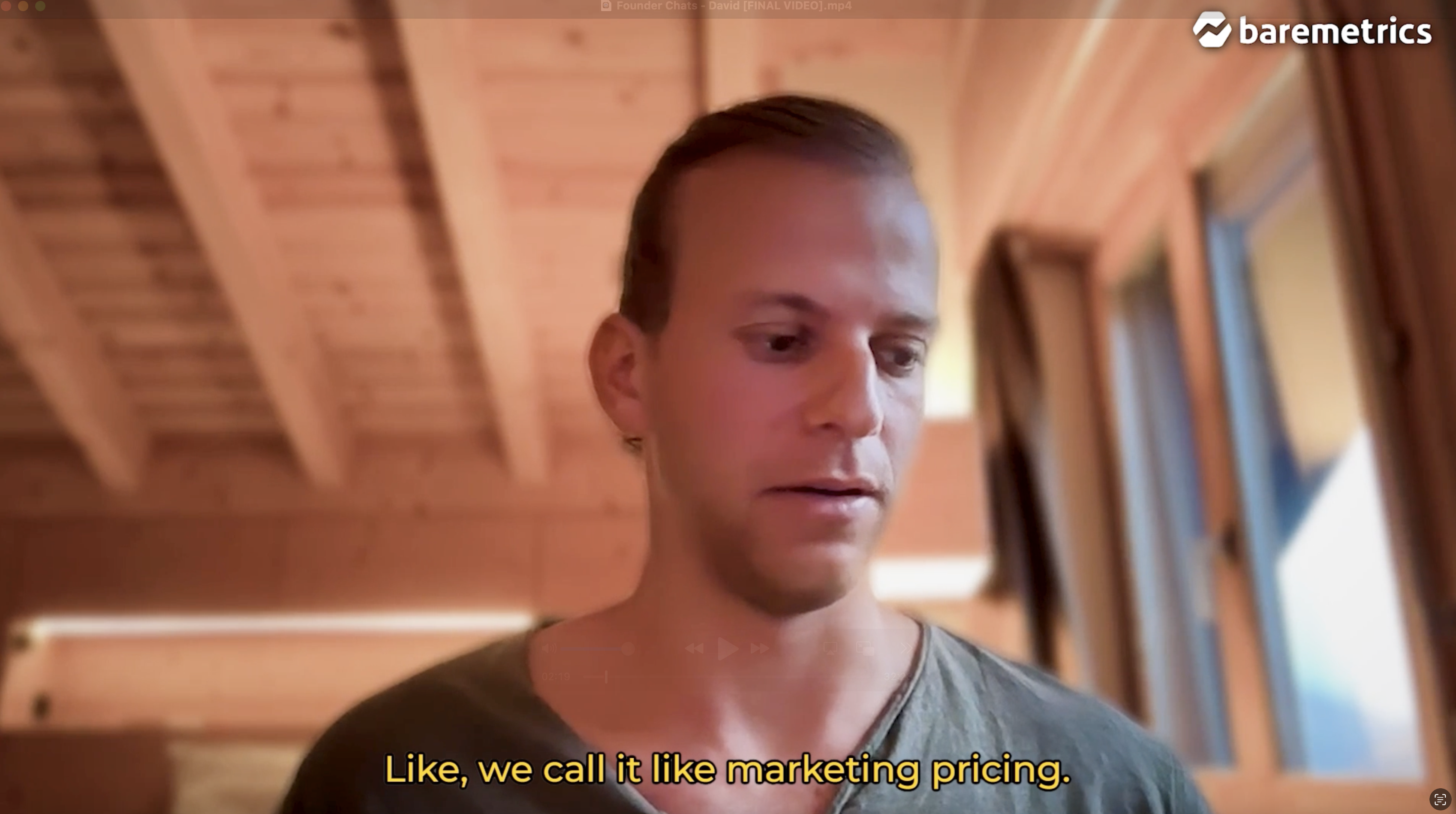
David called it "marketing your pricing", aka how you actually present the value matters as much as the price itself. How you structure it. The messaging you use. The way you communicate the value of what someone's actually getting.
At the beginning, Submagic wasn't great at this (David's words, not mine). But they kept learning from other pricing pages, staying close to customers, and understanding how people actually perceived the value of their product.
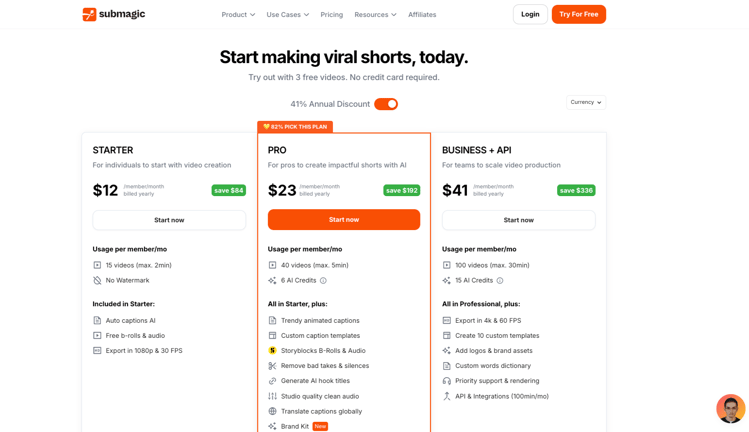
Submagic's Pricing Page
Your pricing strategy should have a strategy. Are you trying to land customers on your starter plan and expand them? Or going for higher upfront commitments? Different goals mean different approaches.
What Does This Mean For You?
Most SaaS founders set their pricing once, maybe twice, and then... that's it. They're too nervous to touch it. And hey, we get it. It can be terrifying to think about potentially upsetting existing customers or scaring away new ones.
But that fear is also potentially holding you back. There's probably a gap between what you're charging and what customers would happily pay. And you'll never know how big that gap is unless you actually test.
If you haven't touched your pricing in months because you're nervous about it? That's your sign to run an experiment.
Easier said than done, believe me we know, but try starting small.
Some potential experiments to start out with include:
- testing a new cohort
- redesigning your pricing page
- introducing a new value prop
Watch “How David Zitoun Bootstrapped Submagic to $8M Revenue” on its own page — with a full summary, chapters and related reading.
Watch David's full conversation to learn more about how Submagic approaches pricing experiments.
The 10-Minute Rule That Kills Your Churn
We all know that nailing your onboarding flow is absolutely crucial for your startup. But this next tip from Thomas Griffin, Co-founder at OptinMonster and GrowRite, truly drives home just how critical to your success it really is.
Most founders obsess over 30-day, 60-day, 90-day churn. In other words, we're used to building features to fix retention problems months down the road.
But when Thomas dug into OptinMonster's onboarding data, he discovered that most of that first-month churn is happening in the first 30 minutes. (That TikTok audio comes to mind... "Did you know you have 30 minutes? Thirty... Thirty....")
Identifying this, he developed a forcing function:
"From the time they sign up, you have 10 minutes to deliver value. That's it. If you can't do it in 10 minutes, the likelihood of churn grows exponentially."
Why This Changes Everything
Think about it: You're probably trying to fix churn with features your users will never see because they couldn't figure out the basics in those first few minutes.
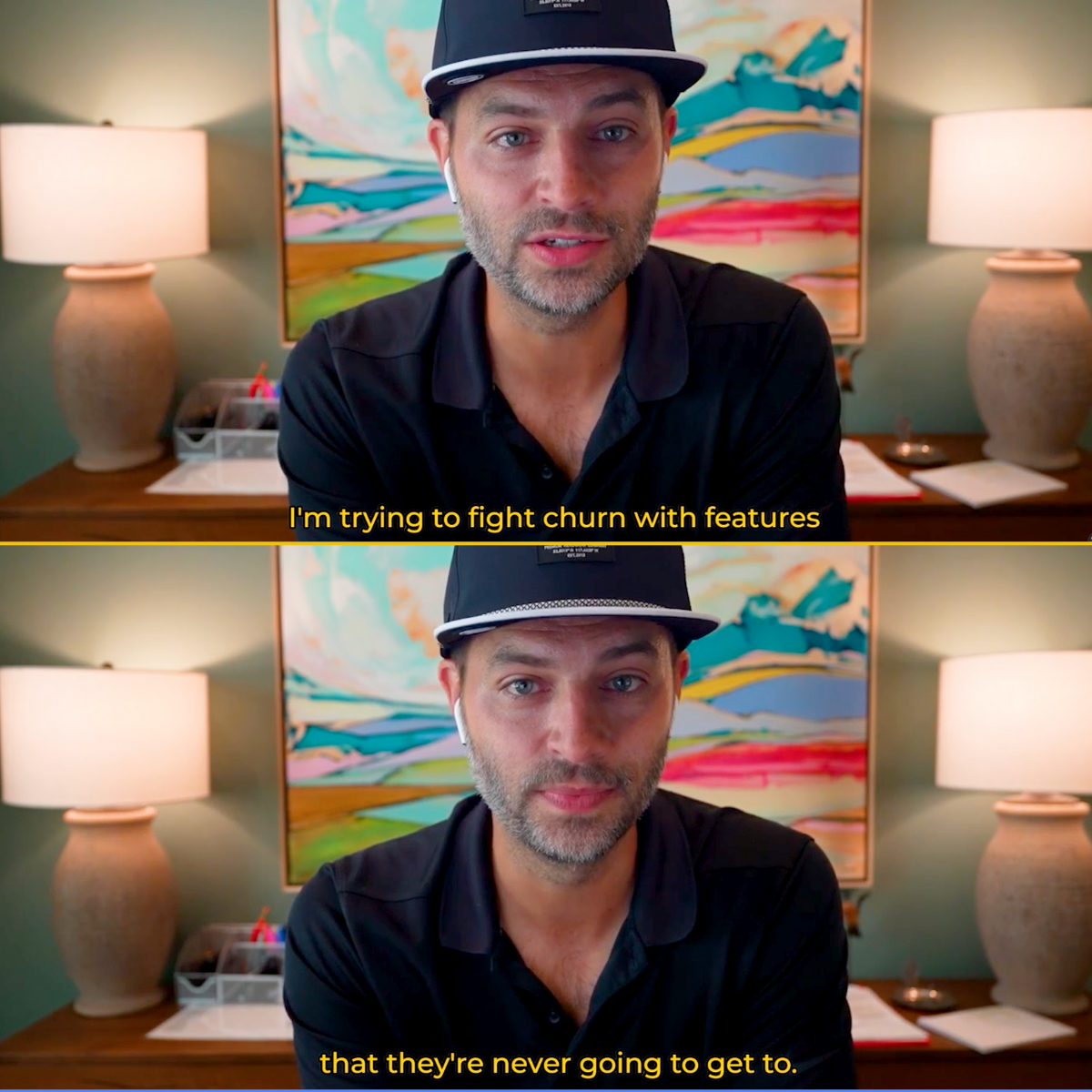
They're not clicking around out of curiosity thinking "ooh, what else can this do?" They're rage clicking all over the place looking for the cancel button. (A bit harsh, but true. We won't glaze you.)
Thomas put it perfectly:
"It's so easy to fall into the trap of 'I'm going to fix this 90-day churn with this feature.' But that's not the problem. The problem is they never even got there because you haven't made onboarding frictionless."
What Does This Mean For You?
First, let's look at some data, aka pull up your analytics. Look at users who churned in their first 30 days. Now look at their session data. I'm willing to bet a significant chunk never made it past their first 30 minutes.
What would it take to get them to see value in 10 minutes or less? When deciding this, taking time to pause and interview your current customers is incredibly useful. Find out what features they use the most within your platform and get the most value from.
When you've identified that one feature that made your current customers reach that "aha!" moment on your platform, focus on showcasing it within your onboarding.
Watch “Why OptinMonster Won the Early Email Marketing Era with Thomas Griffin” on its own page — with a full summary, chapters and related reading.
If you're interested on learning more about nailing your SaaS onboarding and combatting churn along the way, check out Thomas's Founder Chats episode for more.
The Leadership Shift Nobody Tells You About
Our last tip is around founder leadership and particularly what happens when your startup team starts to grow significantly.
Jonni Lundy, Co-founder and COO over at Resend, nailed this in his conversation with Luke, and it really resonated with me. There's this leadership mindset shift you have to make as your business evolves that nobody really prepares you for.
On day one, you're wearing so many different hats you might as well open your own store. But when you start to build a team around you, your role slowly shifts. You're owning fewer things directly, and you're getting to look further and further out into the future of the company.
That's exciting, but at the same time, it can be disheartening to not get to say "I shipped that" and get a sense of pride from it. (Hey, we're all human.)
Here's what Jonni said that stuck with me:
"If you're successful, it's someone else bringing about that success."
He compared it to being a new parent (congrats, Jonni!). You don't get credit when your kid learns something new, but watching them succeed? That secondary dopamine hit is what keeps you going.
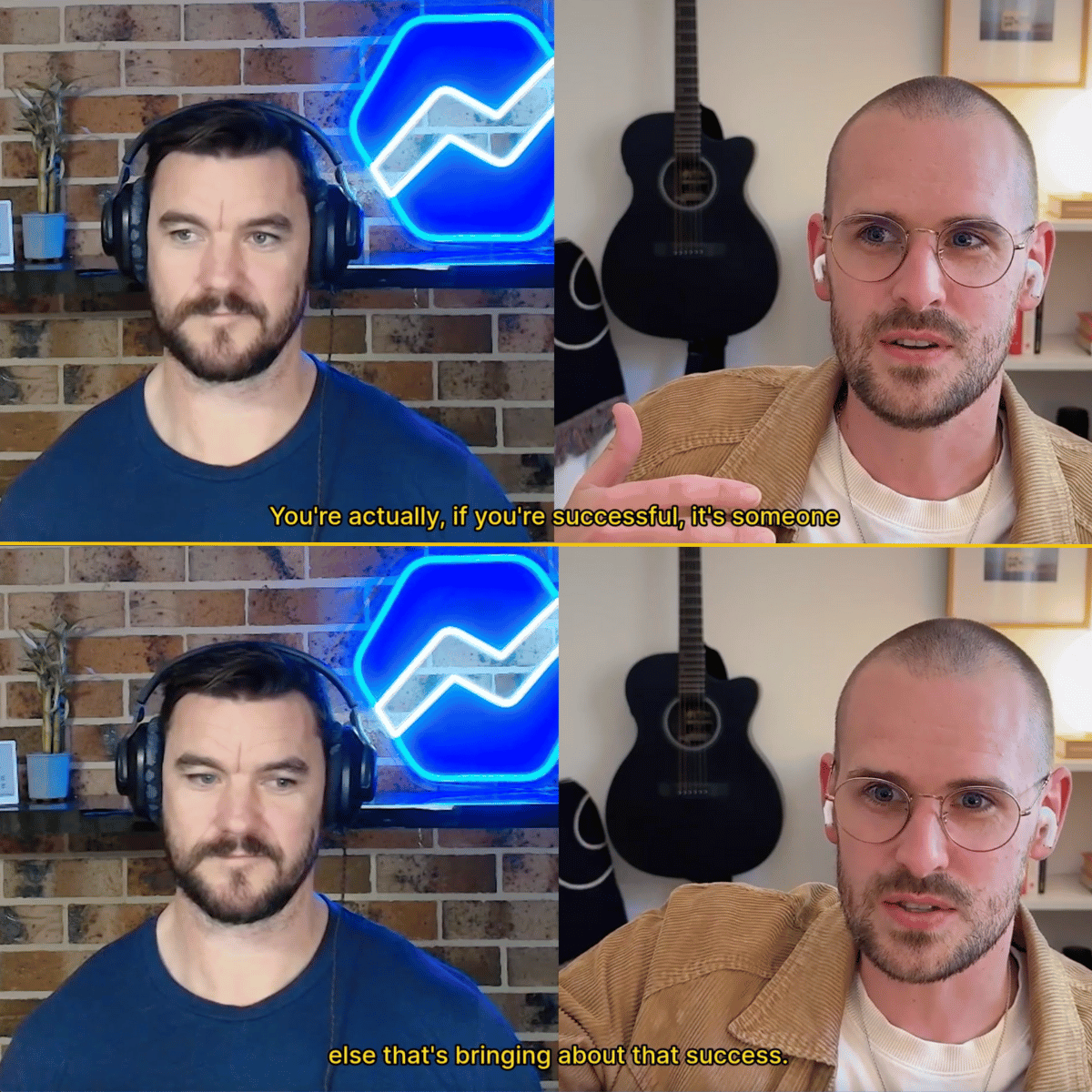
This is the loneliest part of leading that nobody mentions on LinkedIn. Your team celebrates their wins. You celebrate... their wins. And that's exactly how it should be.
Your scope gets wider. Your name on things gets smaller. And you have to be genuinely okay with that.
Why This Matters for Your Growth
If you're struggling with this shift, I see you. It's hard to let go of the individual contributor high. But the more you figure out how to derive joy from your team's success, the faster you actually scale because you empower your team to confidently own their roles.
If you're still the bottleneck on every decision because you need that dopamine hit of personal achievement, you're limiting your company to your own bandwidth. Not exactly a recipe for scale.
The founders who break through? They're the ones who genuinely get excited about their team's wins.
Watch “The Mindset Shift from Seed to Series A with Jonni Lundy” on its own page — with a full summary and related reading.
If you're curious about fostering a healthy environment for your team as a founder, I definitely encourage you to watch Jonni's full Founder Chats episode.
Your Next Steps: Pick One and Go
Here's your homework (and yes, I'm making you pick just one because trying to fix everything at once is how nothing gets fixed):
- Leadership: Identify one place you're still operating as an individual contributor instead of enabling your team. Hand it off. Feel the discomfort. This will start to feel easier the more you do it, I promise.
- Pricing: Run one small pricing experiment. Different page. Different cohort. Different value prop. Track what actually converts to paid, not just what gets clicks.
- Onboarding: Time how long it takes a new user to get real value. Is it under 10 minutes? If not, what's in the way? Cut it.
These aren't theoretical exercises from business school. This is real advice from founders who built real companies and made real mistakes (and figured out how to fix them).
I'd love to hear which one you're tackling, so feel free to reach out on Linkedin. And if you haven't checked out Founder Chats yet, make sure to binge the whole first season out now. Season 2 is dropping soon and I want to know what topics you want us to cover next.

