Table of Contents

Podcast marketing is the act of marketing yourself, the products you sell, or your services by creating and distributing unique audio content.
Free content is shared with listeners to influence and inform them about how your products or services can benefit them or their industry without being overly promotional.
Why podcasts?
You might not think your business is the right fit for a podcast, but you may be surprised. While many podcasts are created for pure entertainment purposes, others are niche and business focused. There is a significant, untapped market need for informative, niche podcasts for nearly every industry.
Whether you own a SaaS company that offers on-demand tax services or run a marketing agency, chances are you will find an audience. However, keep an eye on your marketing analytics to ensure your podcast delivers on leads and inquiries so that you don’t overinvest.
Of course, marketing works best when you exhaust all possible channels. Consider complimenting your podcasting with cold emails, or create a free trial marketing strategy.
Baremetrics has several features that will allow you to track your marketing activities to establish which ones have the best ROI. Sign for the demo to see which tools will work for you.
Why should businesses do podcast marketing?
Podcasting is hard work, but it’s a great way to access an engaged audience at scale. Nearly half of the US population listens to podcasts regularly. In the UK, podcast listenership increased by 42% following the pandemic.
A commercial on the radio usually lasts 15 or 30 seconds, which means you have to cram as much information as you can about your brand in half a minute. Podcasts can last from five minutes to an hour or more, giving you the ability to dig deep into your company’s use cases, benefits, and back story.
Podcasts are much more engaging than long-form text because you can invite panelists and guests, have customers phone in with queries, or tell stories using different audio formats.
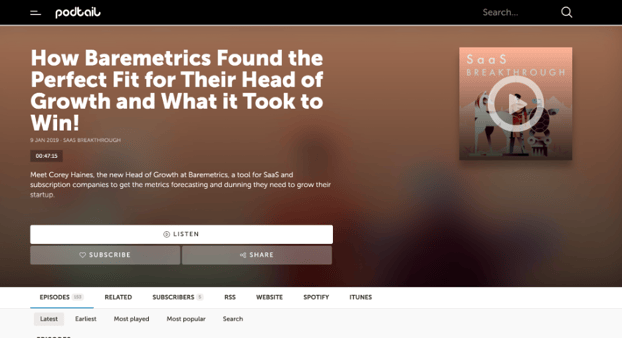
Figure 1. Podcasting is a great way to showcase your thought leaders and build trust.
Benefits of podcasting
If you are still not convinced, here are a few ways you can benefit from podcasting for your business:
- Increased brand awareness: Your podcast generates impressions, just like any other form of digital marketing.
- Connection with potential customers: Podcasting feels intimate—you’re not just an ad or a website, but rather a voice that’s with them in their car or at home. It’s a great way of connecting with your audience.
- Building authority: When staff appears on a podcast in their capacity as experts, it builds authority and trust in the brand.
For these reasons, Baremetrics produces a podcast called Founder Chats, where we interview founders about their journeys starting and building businesses. The show allows us to share conversations that our customers and potential customers find helpful and inspiring, while increasing our brand awareness.
be honest
How well do you know your business?
Get deep insights into MRR, churn, LTV and more to grow your business
Best practices for creating a podcast
Podcast marketing is beneficial for any business, but it’s not easy. It requires a much more significant time commitment than a digital ad campaign or email marketing. Here are a few tips for creating a podcast that works:
1. Scale realistically
A quality podcast takes time. Prepping content, recording, editing, finding guests, and promoting the podcast can be a full-time job. Create a few test episodes, keep an eye on your marketing analytics on Baremetrics, and decide whether the investment will be worth your time. If you need to, adjust the scope. If a weekly episode is not feasible, a monthly one might be.
2. Publish regularly
Your listeners need to know when and where they can find your podcast. Whether monthly or weekly, you must publish your episodes per a set schedule. Weekly and biweekly are probably the most common podcast frequencies. Try to post on the same day each week.
3. Create a pipeline
Create a pipeline for your first five episodes. It will take time to get the format, audio quality, and style right, so plan to record a few episodes in advance to see what works for you. You’ll also get better exposure on platforms like iTunes if you have multiple episodes available for download.
4. Don’t skimp on microphones
You can record a podcast on your iPhone, but it’s best to invest in some equipment. No one wants to listen to a podcast with poor audio and background noise. Microphones can help you drown out the noise and create a much more pleasant listening experience.
5. Promote your podcast
It takes time to build up an audience, but don’t rely on word-of-mouth alone. Share your podcast on your social channels and put a little bit of budget behind it. (We’ll dig into the many other ways to promote your podcast in the next point!) Organic growth is possible, but you should still rope in your digital marketers to give you a head start.
How to promote your podcast—podcast marketing 101
As mentioned in the points above, you have to be prepared to spend some time promoting your podcast if you want to get the most mileage out of it. Here are a few tips and tricks you can try:
1. Invite guests with big audiences
When you are starting, invite high-profile guests. This could be a client that has a big social media footprint, an industry thought leader, or someone on your executive team with a healthy Twitter following.
Podcasters are a helpful community, so you could even invite a fellow podcaster to co-host with you. Ask them to publish a link to the podcast when it goes live, or, if they have a podcast of their own, ask them to mention it on air.
2. Promote the podcast online
Try to create rich media that can be used to promote your podcast. Sound bite clips, quotes, or images will all perform well online. Ask your employees to help get the word out! If you have 100 employees and friends with 500 followers each, you can reach 50,000 people right off the bat.
If you can, purchase a commercial on a similar podcast to let people know it’s out there. It’s much cheaper than other broadcast channels, and you will reach an audience that loves podcasts.
3. Publish thee podcasts at once
As mentioned, try to publish a few at once. This increases the likelihood of your podcast being featured on iTunes and other platforms’ New and Notable section.
4. Convert the podcast to video
It’s a good idea to convert your podcast to a video that can be uploaded to YouTube. YouTube is a powerful SEO driver and will aid your discoverability. You could also stream the podcast via Facebook or Instagram live to receive comments from the audience as you speak!
5. Transcribe your podcast
You can transcribe your episode and leave the transcription in the show notes. Transcription will aid your SEO and allow you to capture leads if you add forms to the notes. You can also refer back to these notes when you need quotes for articles and press releases.
6. Give away a few prizes
Everyone loves discounts and prizes. You could offer introductory coupon codes to your products and services, free consultations, or even company swag to customers that sign up using a promo code provided in the podcast. It’s a great way to determine the effectiveness of your podcast as a marketing tool—and to generate revenue, of course.
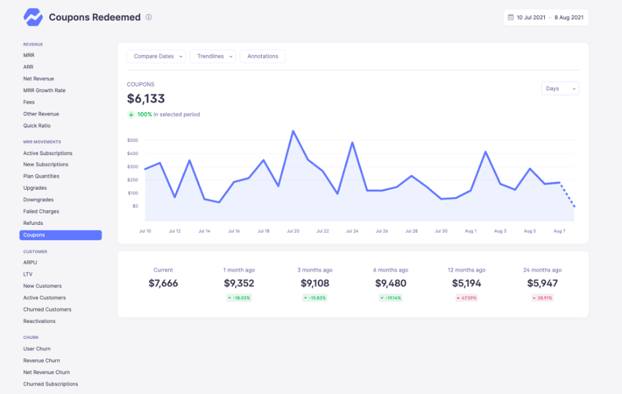
Figure 2. You can give away a coupon on air and measure its effectiveness online.
7. Make guest appearances
As mentioned above, podcasters are a community. If you can, act as a guest on similar podcasts or industry-related podcasts to promote your new show. The best way to get on a podcast is to ask, but you should bring something to the table. Put together a short motivation about the topic you’d like to discuss and why the podcaster’s audience would be interested in hearing about it. Include a bio with a link to your podcast and profile.
8. Share your content
Try to be active in communities related to your industry on social media so that you can share the link with potential listeners. But don’t just drop in and spam the groups—contribute with thoughtful comments, notes, and articles.
Include links to your podcasts in your email signatures and always add social share buttons in the show notes so that listeners can connect with you off the air.
Conclusion
Podcast marketing is a great way to reach potential customers, although it requires marketing and time investment. Keep track of how your podcast is performing and how many leads it is generating via Baremetrics.
Marketing channels are only as good as their results. Have a look at the demo to see which marketing and business insights Baremetrics can unlock for you (and your podcast).
Hope to catch you on the podcasting circuit soon!
All the data your startup needs
Get deep insights into your company’s MRR, churn and other vital metrics for your SaaS business.